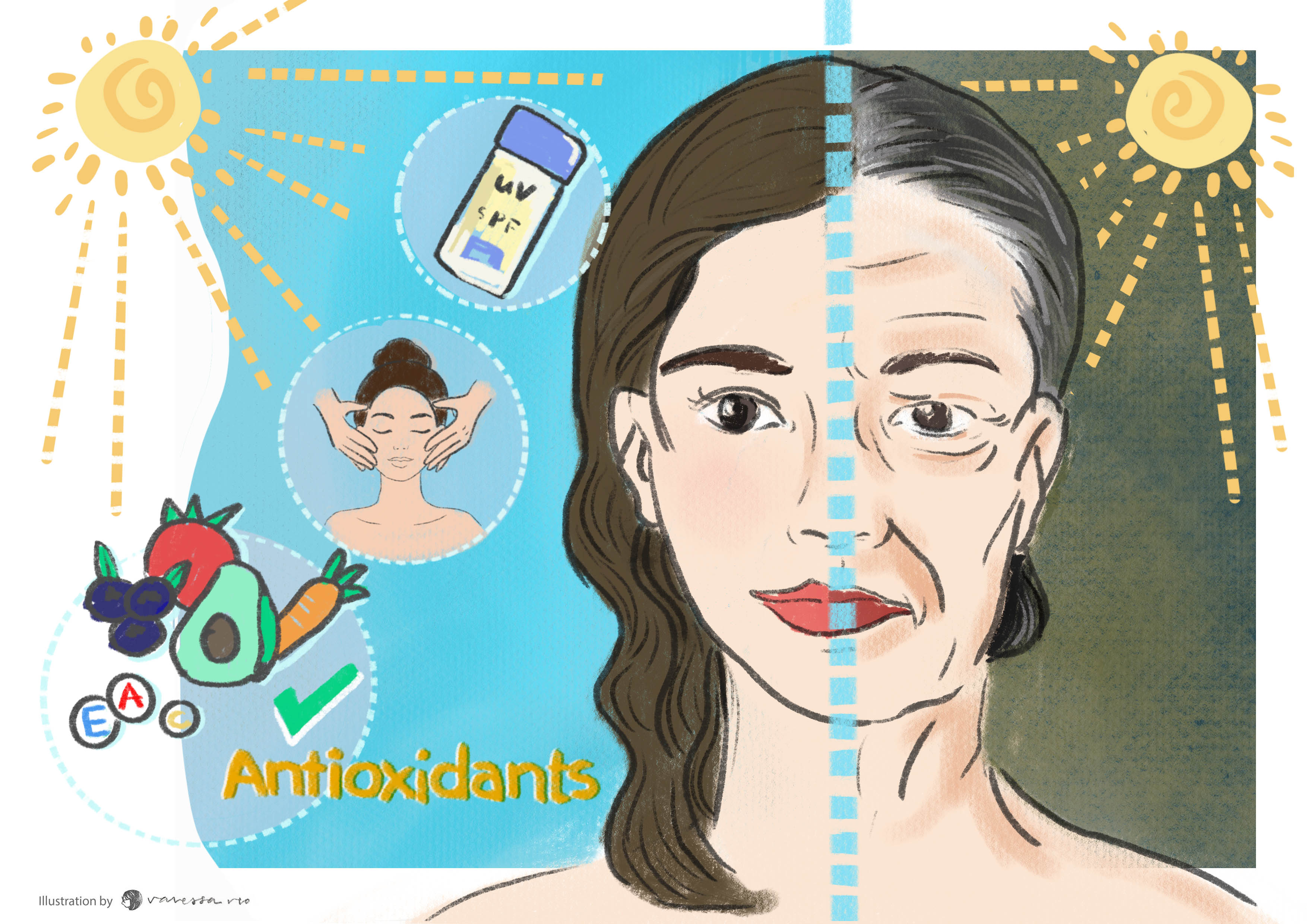
As we age, our skin naturally becomes thinner and drier, which can give it a leathery texture. This makes it less effective at regulating body temperature and more prone to cuts, bruises, and blisters (Cavanaugh J. C. & Blanchard-Fields F., 2019).
The skin aging process is influenced by two primary mechanism : intrinsic and extrinsic aging as stated in Puizina-Ivic, N. J. A. D. A. (2008).
Intrinsic aging is determined by genetic factors and progresses naturally over time. It is typically characterized by smooth, thinning skin and more pronounced expression lines. Stochastic aging refers to random cellular damage caused by mutations that occur during metabolic processes, often linked to free radical production.
Extrinsic aging is often influenced by various factors including ionizing radiation, intense physical and psychological stress, alcohol consumption, poor diet, overeating, air pollution and ultraviolet (UV) radiation. Among these factors, UV radiation is the most significant contributor, accounting for up to 80%, and plays a key role in skin aging, particularly in premature aging.
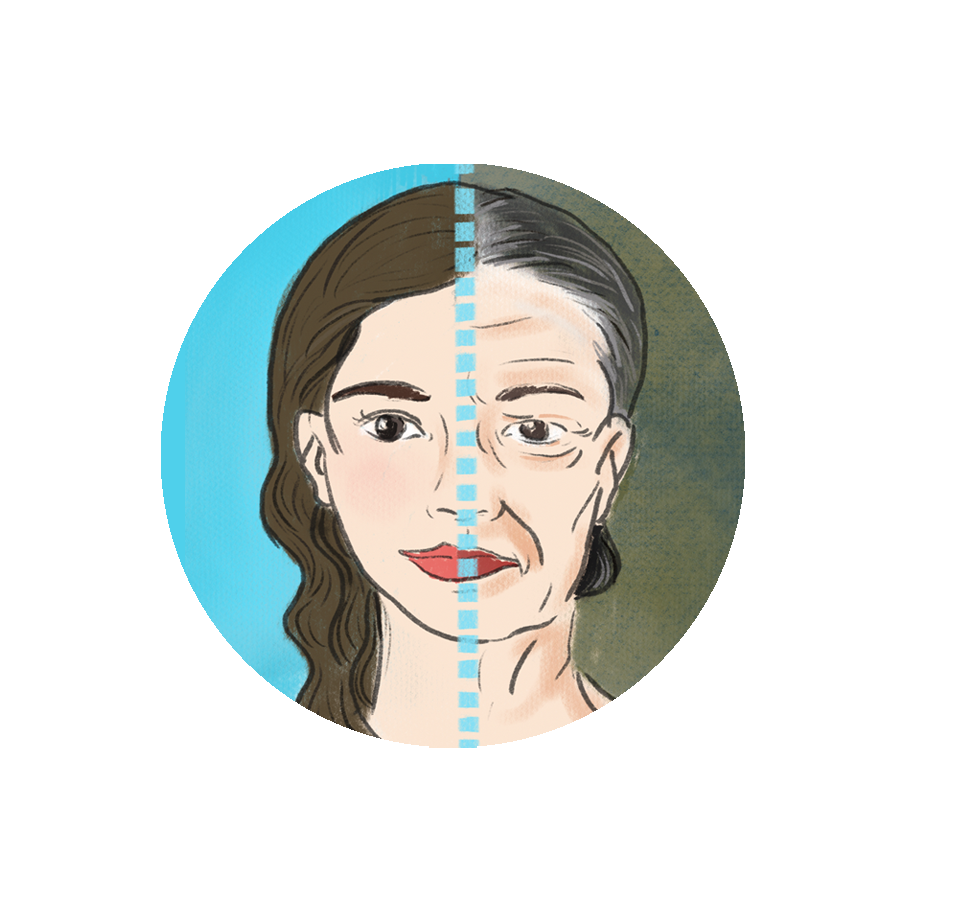
As we age, wrinkles naturally develop on the skin. The formation of wrinkles is a complex process involving four stages as stated in Cavanaugh J. C. & Blanchard-Fields F. (2019) by Blum-Peytavi et. al. (2016), Robert, Labat-Robert & Robert (2012) and Tobin (2017).
- First, the outer skin layer thins due to cell loss, making the skin more fragile.
- Second, collagen fibers in the connective tissue lose flexibility, reducing the skin’s ability to bounce back after being stretched or pinched.
- Third, elastin fibers in the middle skin layer lose their capacity to keep the skin stretching out, leading to sagging.
- Finally, the underlying fat layer, which cushions and smooths the skin’s contours, gradually diminishes.
To help combat skin aging issues, it can be beneficial to do the following :
- use moisturizers
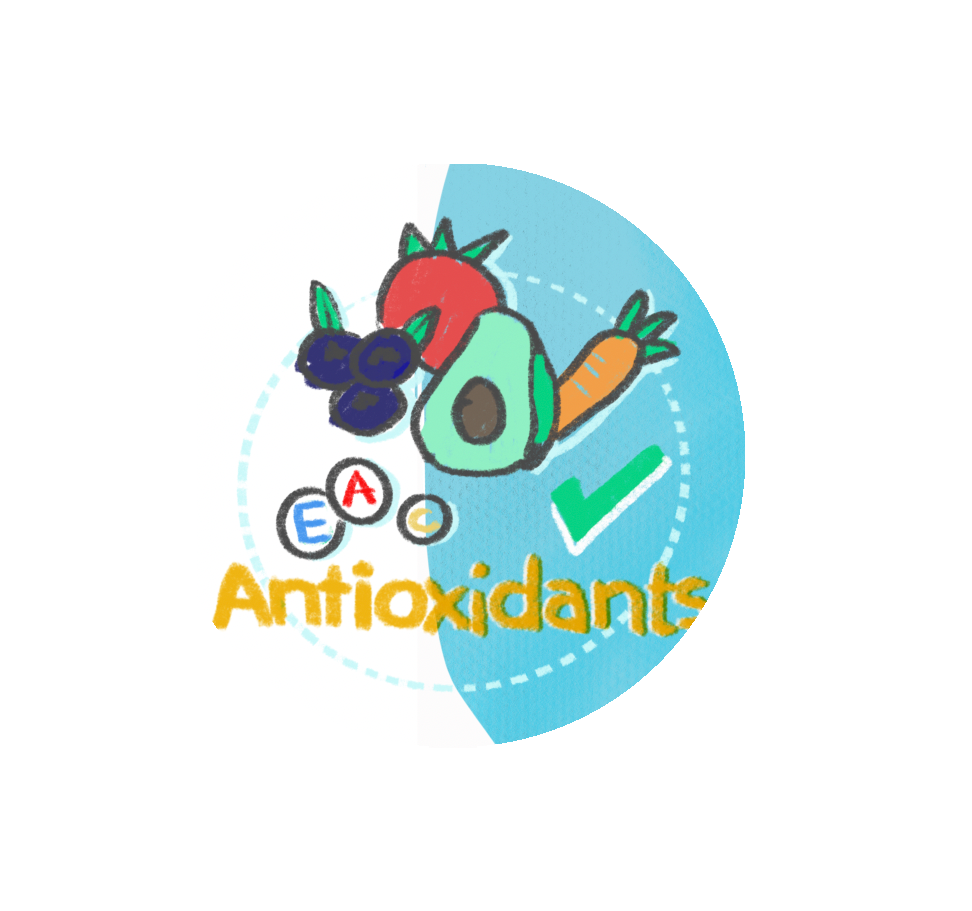
- food diet contains antioxidants such as vitamin A, C, E, grapeseed extracts, co-enzyme Q10
- avocados, berries, dark leafy vegetables, oranges, pineapple, salmon, tomatoes
- apply sunscreen
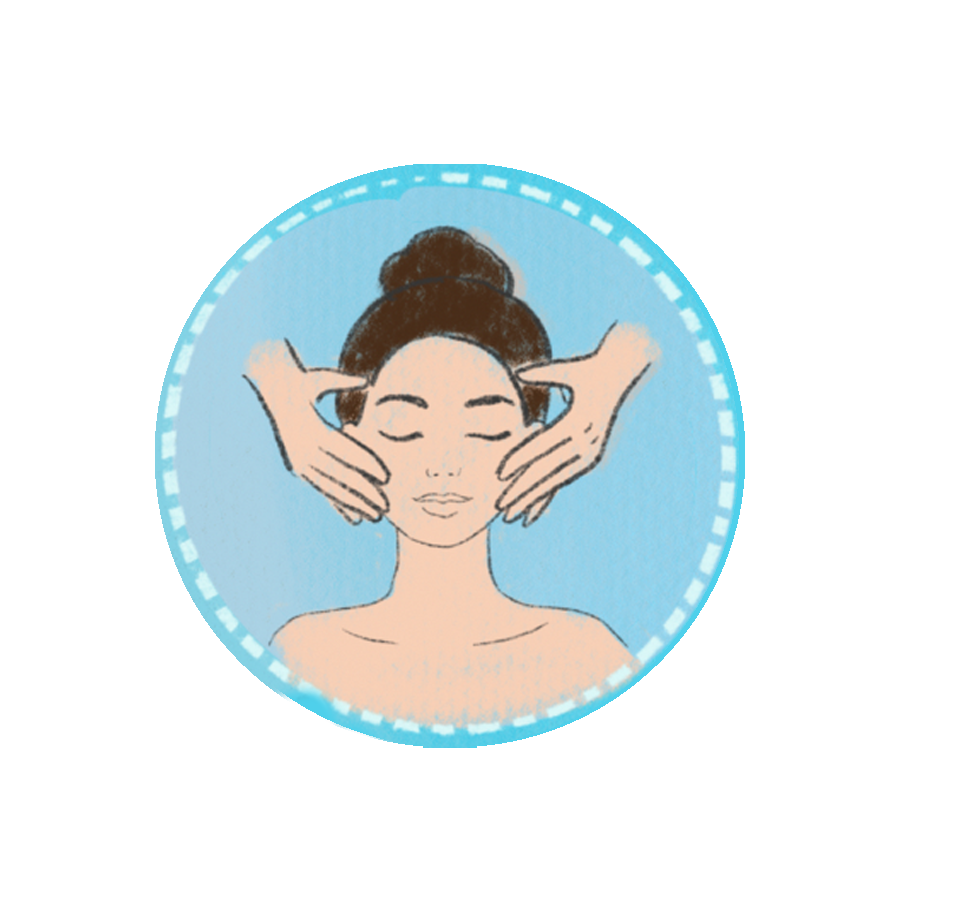
- get facial massages
References:
Cavanaugh J. C. & Blanchard-Fields F. (2019). Adult Development and Aging. 8th Edition. Cengage Learning, Inc.
Puizina-Ivic, N. J. A. D. A. (2008). Skin aging. Acta Dermatovenerologica Alpina Panonica Et Adriatica, 17(2), 47.

Similar Post
What is healthy aging?
Sep 03, 2025
Is stress affected our health?
Aug 26, 2025